
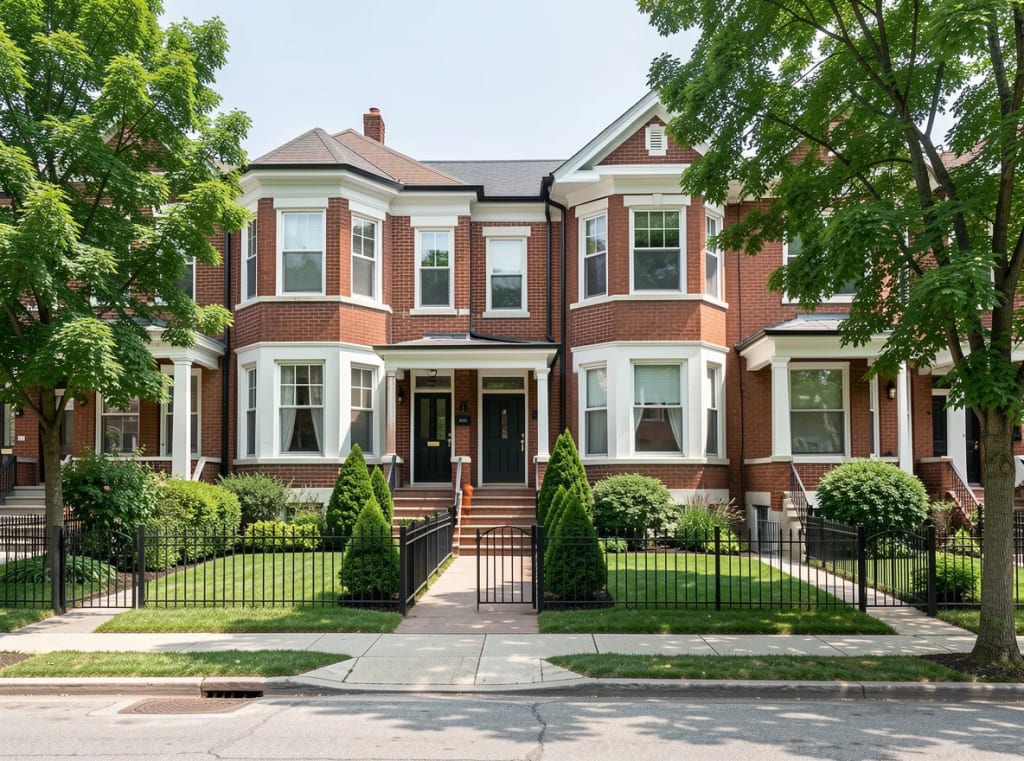
7 Smart Questions First-Time Buyers Should Ask in the Bronx
7 Smart Questions First-Time Buyers Should Ask Before Buying a Home
Buying your first home can feel exciting and overwhelming at the same time. No matter which neighborhood or price point you are considering, the smartest move is not just falling in love with a listing. It is learning how to ask the right questions before you make an offer so you can move forward with more clarity and less stress.
For first-time buyers, good guidance matters. The right questions can help you understand your budget, compare neighborhoods, evaluate property condition, and avoid surprises that affect your long-term comfort and financial stability.
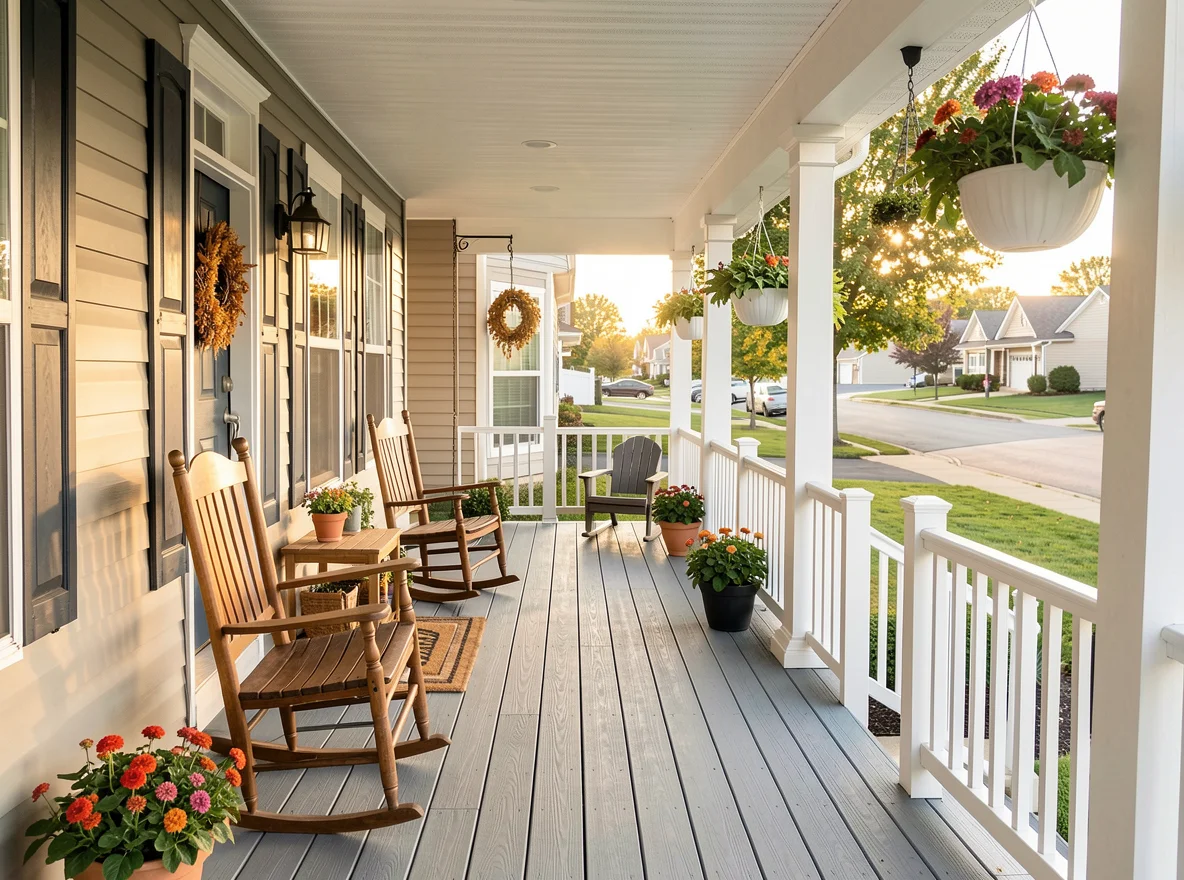
1. What can I truly afford each month? Many first-time buyers focus on the maximum loan amount they are approved for, but that number does not always reflect what feels comfortable in everyday life. A better question is what the full monthly cost will look like once you include mortgage payments, taxes, insurance, utilities, association fees if applicable, and routine maintenance. A home should support your lifestyle, not strain it.
2. What type of property fits my goals best? A condo, townhome, single-family home, or multi-unit property can each offer very different benefits and responsibilities. Some buyers want lower maintenance. Others want more privacy, outdoor space, or future rental potential. Asking this question early helps narrow your search toward the ownership style that actually matches how you want to live.
3. How does the neighborhood fit my daily routine? A home can look perfect online and still feel wrong once you think through your commute, parking needs, nearby shopping, schools, parks, and weekend habits. The best first home is not just attractive on paper. It should make daily life easier, more convenient, and more enjoyable over time.
Questions That Protect You Before You Commit
4. What is the true condition of the property? Every buyer should look beyond cosmetic finishes and ask about the age and condition of major systems. That includes the roof, plumbing, electrical, HVAC, windows, and foundation in a house, or the broader building condition in a condo or townhome community. A home inspection is essential, but asking early questions can help you spot possible concerns before you get too emotionally invested.
5. Are there fees, rules, or restrictions I need to understand now? Depending on the property type, there may be homeowners association fees, maintenance obligations, renovation rules, pet policies, rental restrictions, or special assessments. These details can affect both your monthly budget and your future flexibility. Clear answers now can prevent frustration later.

6. What is happening in the market right now? Timing matters in every market. Are homes selling quickly? Are sellers negotiating? Is inventory limited in your price range? Has the property been sitting longer than expected? Understanding the current market helps you decide how aggressive or cautious to be with pricing, contingencies, and negotiation strategy.
7. Who will guide me through each step? First-time buyers need more than someone to unlock doors. You need an agent or team that can explain financing, contracts, inspections, timelines, and negotiation strategy in plain language. Strong representation helps you stay informed, avoid common mistakes, and make decisions with confidence instead of pressure.
It also helps to think beyond the immediate purchase. Your first home should support where you are now and where you may be headed next. Whether you are planning for career growth, more space, a shorter commute, or long-term investment potential, your decision should reflect both present needs and future goals.
Why These Questions Matter in Real Life
When buyers skip these questions, they often end up reacting emotionally instead of deciding strategically. A stylish kitchen can distract from a difficult commute. A low list price can hide higher monthly costs. A beautiful home can still be the wrong fit if the neighborhood, condition, or ownership structure does not align with your priorities.
Asking smarter questions brings the focus back to value, stability, and fit. It turns the process from guesswork into informed decision-making. That is especially important for first-time buyers, because confidence usually comes from preparation, not from rushing.

Local insight also makes a difference. Even within the same city, neighborhoods can vary widely in pace, housing style, convenience, and long-term potential. Buyers who take time to understand those differences usually feel more comfortable when it is finally time to move forward.
For many people, buying a first home is about more than square footage. It is about stability, independence, and building a foundation for the future. With the right preparation and the right support from your agent or our team, the process becomes easier to navigate and much more rewarding.
In the end, smart home buying begins with smart questions. If you are entering the market for the first time, slow down, dig deeper, and ask for honest answers. The right guidance can help you compare options, understand tradeoffs, and move forward with confidence from day one.